
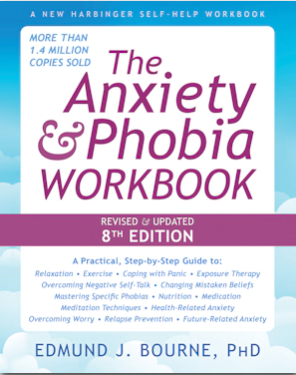
This is a hands-on option if you want exercises you can come back to. Start with the chapter that fits what you’re dealing with, whether that’s panic, a specific fear, or ongoing worry. Explore The Anxiety and Phobia Workbook.
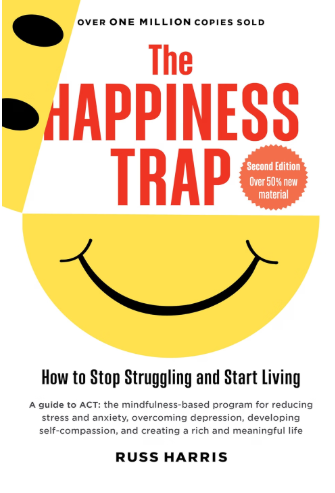
This book makes Acceptance and Commitment Therapy (ACT) approachable. The exercises help you notice when you’re caught up in a worry or self-critical thought, make room for uncomfortable feelings, and take a small step toward something you care about. It’s a good fit if you’ve ever caught yourself thinking, “I’ll do it once I feel ready.” Explore The Happiness Trap.
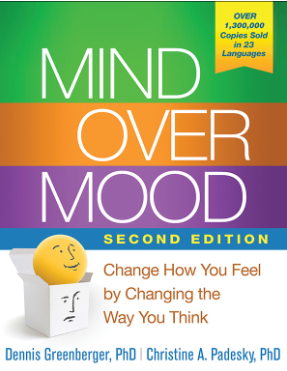
The worksheets help you slow down and notice how a situation, your thoughts about it, and what you do next can affect how you feel. It’s a good fit if you prefer a structured workbook with examples you can apply to your own life. Explore Mind Over Mood.

This book gives readers a way to understand why trauma can still show up in their bodies and emotions long after an experience has passed. Some of our clients have found that putting words to these reactions helps them feel less alone. The book includes detailed accounts of trauma, so you may want to read it in small sections. Explore The Body Keeps the Score.
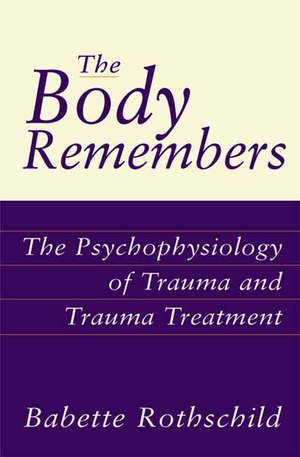
This book helps explain why your body might tense up, go numb, or feel on alert when something reminds you of a past experience. Rothschild uses clinical examples to connect those reactions to how the nervous system responds to threat and to explain why pacing matters in trauma therapy. It’s a more clinical read for anyone who wants to understand what’s happening in the body and how that understanding can guide treatment. Explore The Body Remembers.
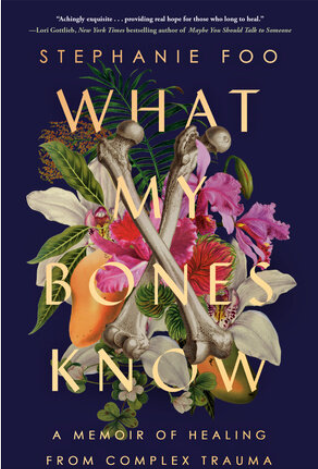
Foo’s memoir gives a personal account of living with complex PTSD and making sense of how childhood trauma shaped her adult life. It’s a companion to the more clinical books on this list. The memoir includes descriptions of childhood abuse. Explore What My Bones Know.
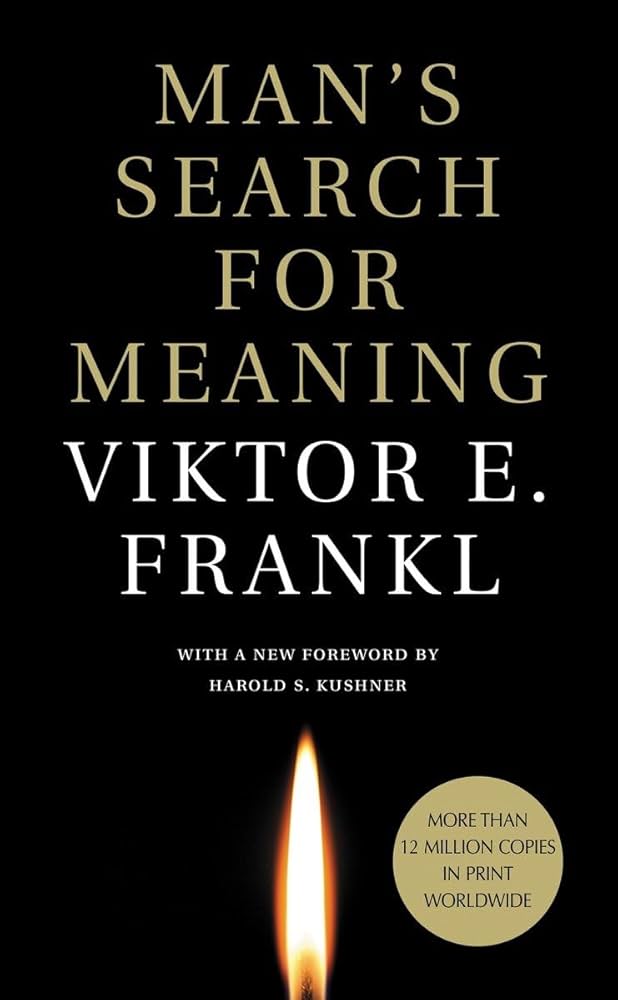
Psychiatrist and Holocaust survivor Viktor Frankl reflects on his imprisonment in Nazi concentration camps and introduces logotherapy, an approach centered on the search for meaning. The book invites readers to consider what gives their lives a sense of purpose, especially when much of what happens is outside their control. PLEASE NOTE: This is a firsthand account of the Holocaust and includes descriptions of dehumanization, violence, starvation, and death in Nazi concentration camps. It can be emotionally difficult to read. Frankl’s reflections come from his own experience, and each person can decide whether and when this book feels right for them.
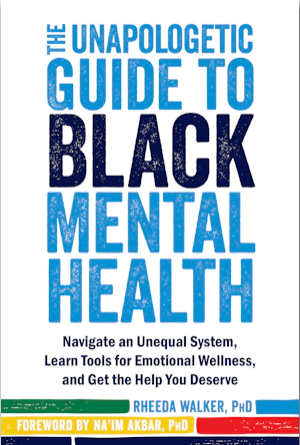
Written with Black readers in mind, this book puts mental health in the context of everyday experiences with racism and the pressure to keep going when you’re struggling. Walker offers practical guidance for recognizing when you need support and looking for care that takes your experiences seriously. Explore The Unapologetic Guide to Black Mental Health.
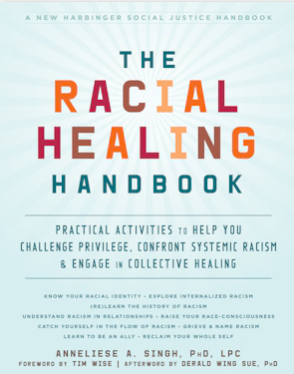
This workbook offers reflection prompts and activities for exploring racial identity and the impact of racism. For readers of color, it can help put words to experiences you’ve had to explain, minimize, or carry on your own. It also makes room to reflect on the sources of strength and connection in your community.
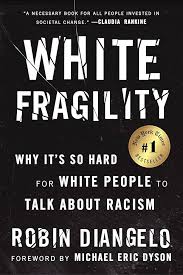
Written primarily for white readers, this book examines how defensiveness can derail conversations about racism. It gives readers a way to notice when they’re explaining their intentions, withdrawing, or looking for reassurance, and to consider what it would look like to stay engaged and listen. Explore White Fragility.
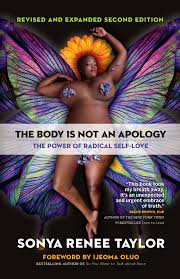
Taylor connects body shame to the messages people receive about race, gender, disability, body size, and which bodies are valued. The book invites readers to notice where those messages came from and practice treating their bodies with more care and respect. Explore The Body Is Not an Apology.
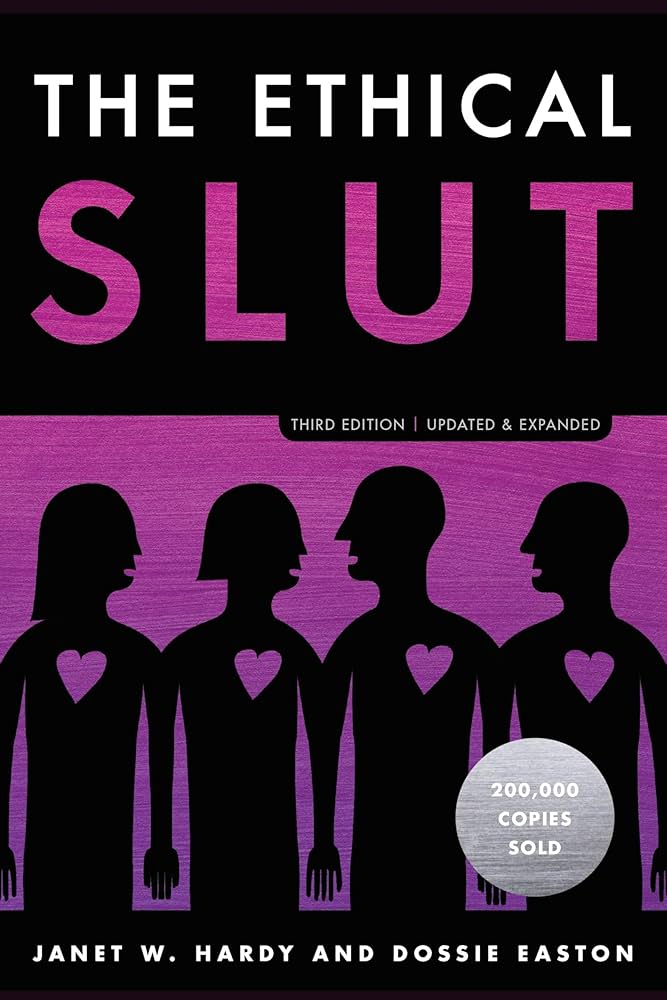
This sex-positive guide to consensual nonmonogamy gives readers concrete ways to talk about consent, jealousy, and relationship agreements. It includes queer perspectives and can be useful for anyone who wants to speak more openly about what they want and what they’ve agreed to with a partner. Content note: The book includes frank discussions of sex and sexual relationships. Explore The Ethical Slut.
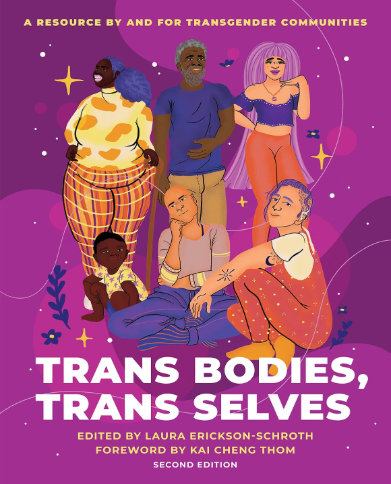
This reference guide brings together a range of trans and gender-diverse voices on topics like health care, relationships, community, and everyday life. It’s a book you can dip into when you have a specific question or want to hear how other people have navigated an experience you’re facing. Explore Trans Bodies, Trans Selves.
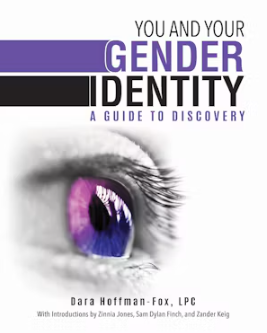
This guided workbook offers questions and activities for exploring what feels right to you about your gender. It gives you room to reflect on things like names, pronouns, and how you want to be seen, with space for uncertainty and change along the way.
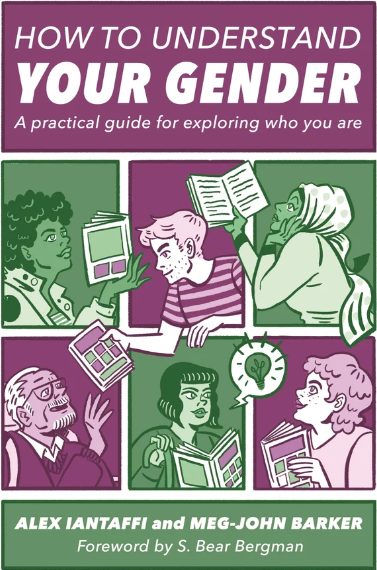
This book looks at how family, culture, and social expectations shape what people learn about gender. The reflection activities can help you sort through which expectations you’ve absorbed and what feels more authentic to you. It’s approachable whether you’re questioning your gender or curious about how it has shaped your life.
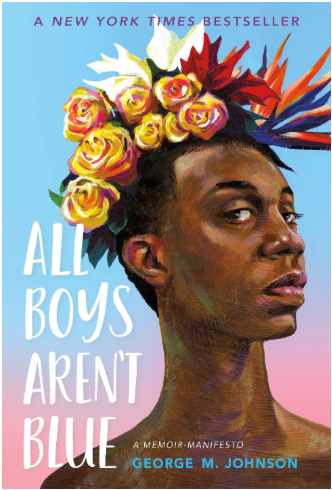
In this memoir, Johnson writes about growing up Black and queer, exploring how family, friendships, and first experiences with intimacy shaped their sense of self. It offers teens and adults a personal story about how race, sexuality, and belonging can shape one another. PLEASE NOTE: The memoir discusses racism, homophobia, sexual abuse, and sexual experiences.

This book helps caregivers make sense of what may be happening when a child is overwhelmed. It connects child development to everyday moments and gives caregivers practical ways to respond and reconnect. Explore The Whole-Brain Child.
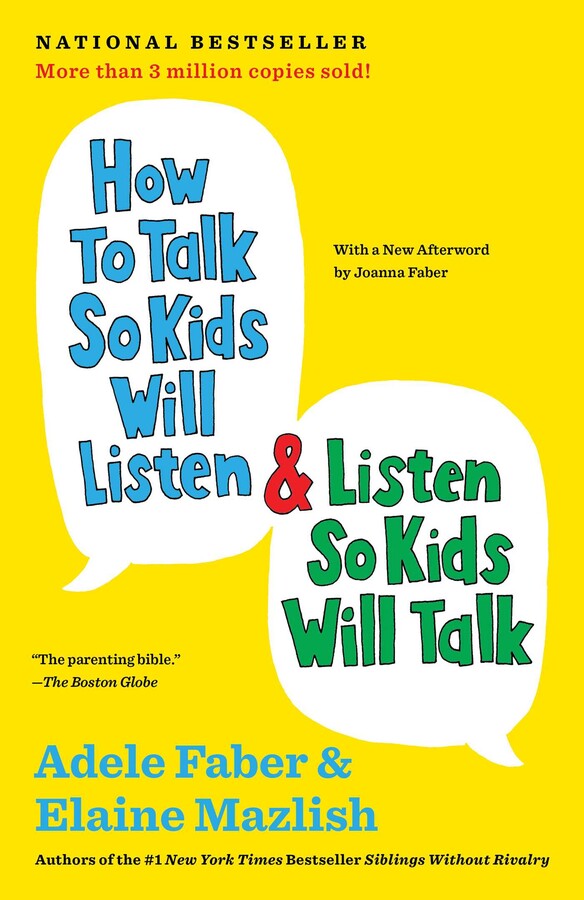
The examples give caregivers words to try in moments that tend to get stuck, like getting out the door or responding when a child is upset. It’s a practical companion to The Whole-Brain Child if you’re looking for ideas you can try in your next conversation. Explore How to Talk So Kids Will Listen & Listen So Kids Will Talk.
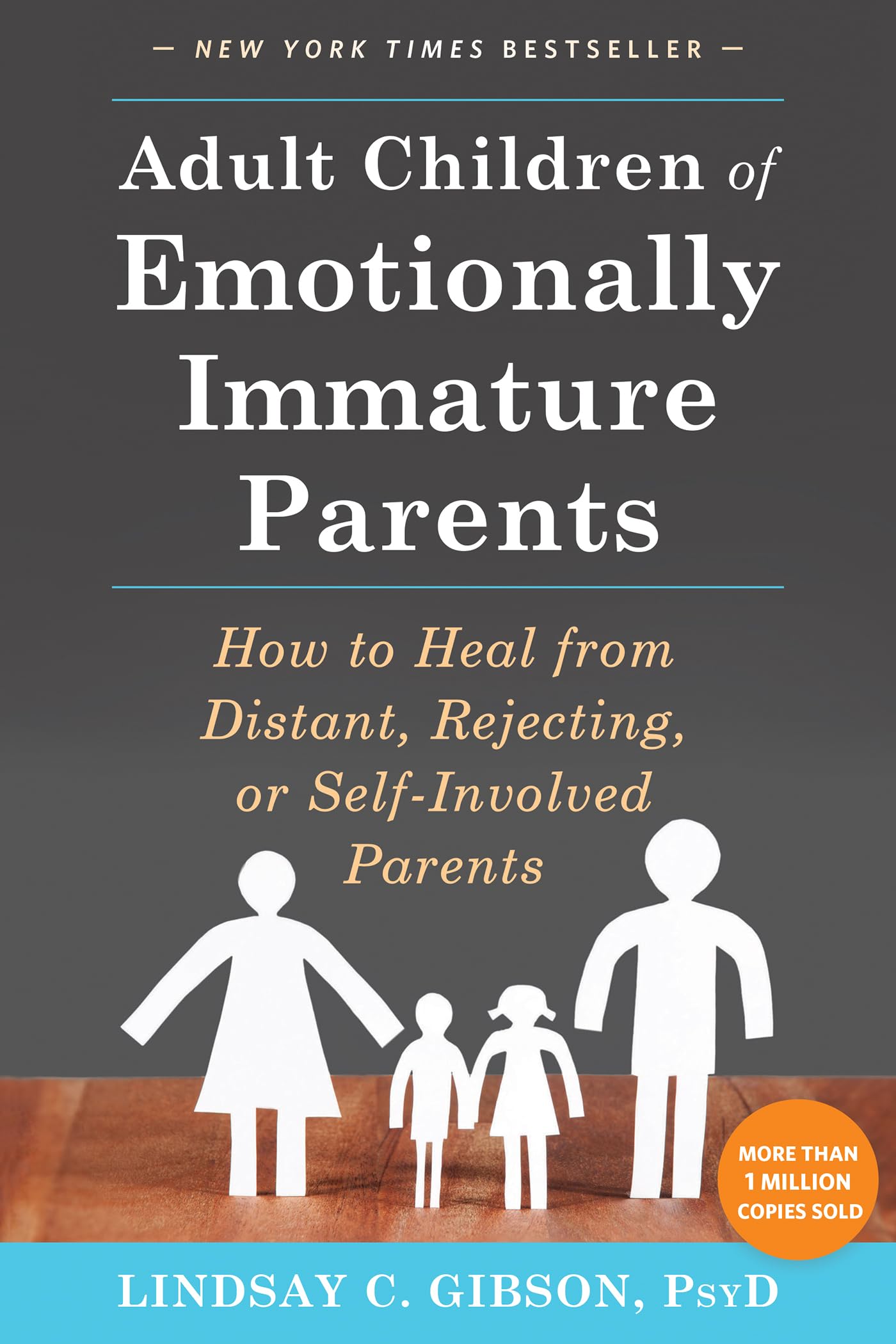
This book can help put words to the loneliness of growing up with a parent who struggled to respond to your emotional needs. It’s especially useful if you learned to keep the peace, downplay your feelings, or take responsibility for a parent’s mood. Gibson offers ways to notice when those habits show up in adult relationships and decide what kind of contact and boundaries work for you. Explore Adult Children of Emotionally Immature Parents.
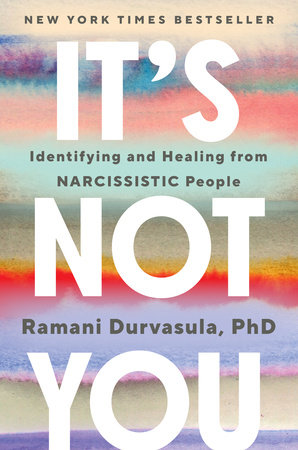
Durvasula explores how repeated criticism, blame, or dismissal can leave you second-guessing your own judgment. The book offers practical ways to recognize those patterns, set boundaries, and rebuild trust in your perceptions. If you’re unsure what to call the relationship, you can start by paying attention to what happened and how it affected you. Explore It’s Not You.